
Optimal Timing for Asphalt Sealings
Understanding the optimal timing for asphalt sealings can enhance durability and performance. Proper scheduling depends on climate conditions, traffic patterns, and pavement age, ensuring the sealant adheres effectively and provides maximum protection.
Sealings are best applied during moderate temperatures and dry weather to ensure proper curing and adhesion.
Typically, asphalt should be sealed after it has fully cured, usually between 6 to 12 months post-installation.
Applying sealant during periods of low traffic minimizes disruption and allows the sealant to set properly.
Late spring and early fall are ideal seasons, avoiding extreme heat or cold that can compromise the sealant's effectiveness.
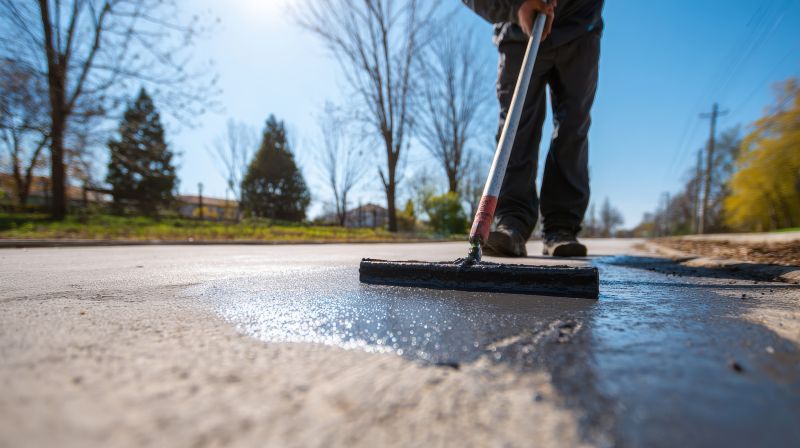
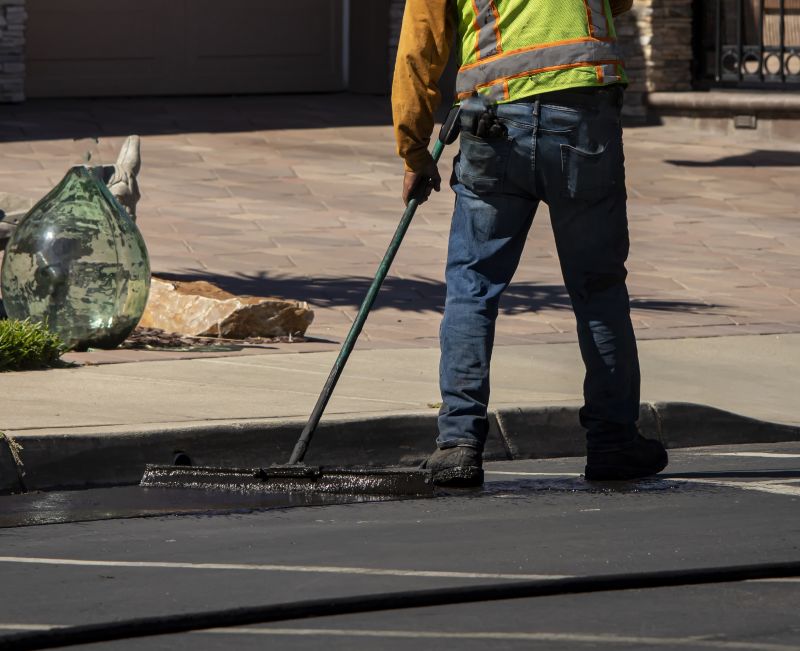
A crew applying sealant to an asphalt driveway.
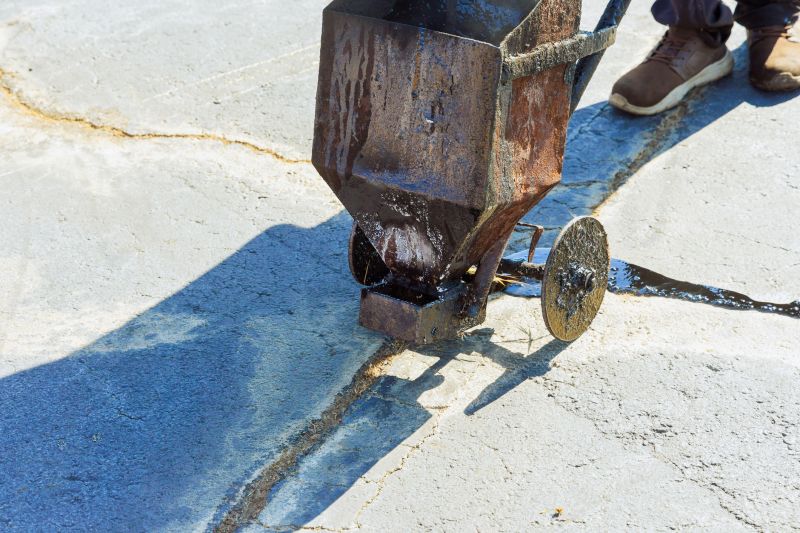
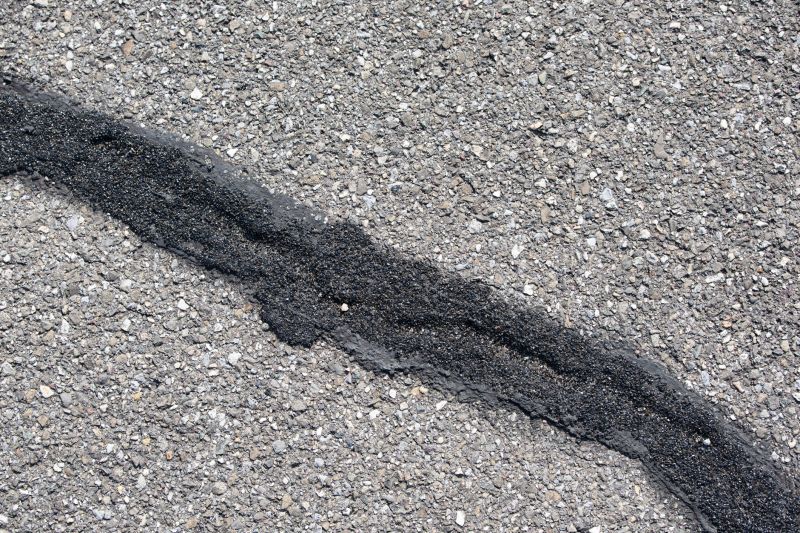
Close-up of freshly applied asphalt sealant during curing.
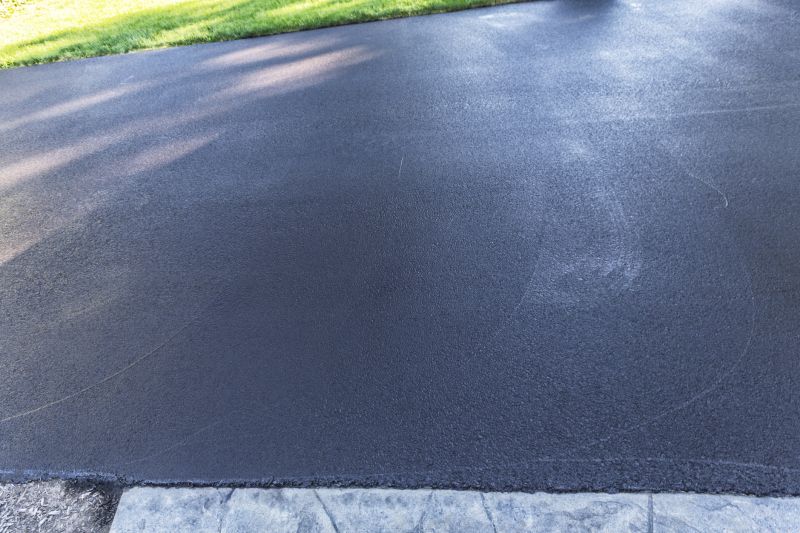
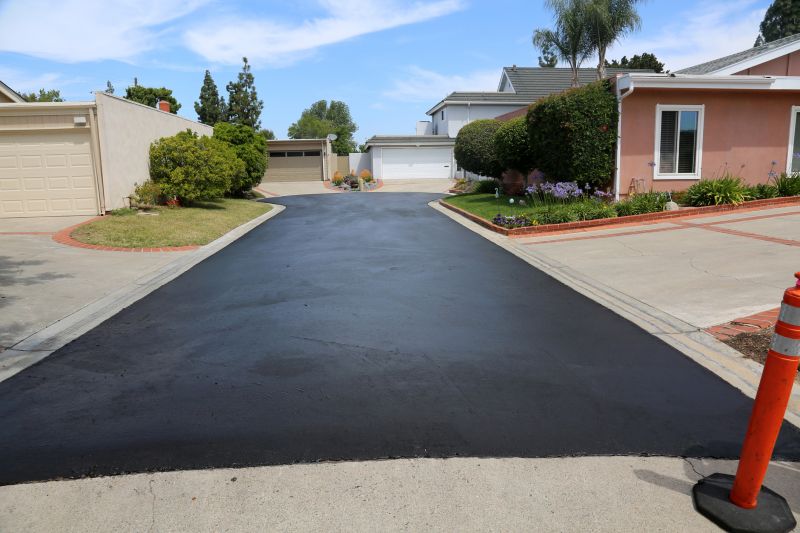
Finished asphalt surface with a smooth, sealed finish.
Ways to make Asphalt Sealings work in tight or awkward layouts.
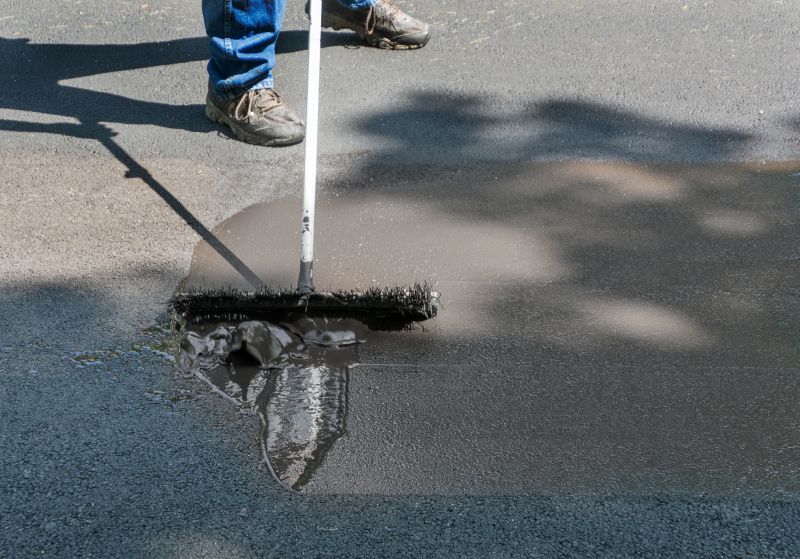
Popular materials for Asphalt Sealings and why they hold up over time.
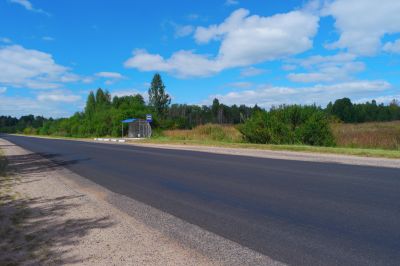
Simple add-ons that improve Asphalt Sealings without blowing the budget.
| Factor | Recommendation |
|---|---|
| Temperature | Apply when temperatures are between 50°F and 85°F |
| Humidity | Avoid high humidity or rain during application |
| Pavement Age | Seal after asphalt has fully cured, typically 6-12 months |
| Season | Prefer late spring or early fall |
| Traffic | Schedule during low traffic periods |
Asphalt sealings serve as a protective layer that extends the lifespan of pavement surfaces. They help prevent water penetration, reduce oxidation, and guard against damage from UV rays and chemicals. Properly applied sealant can significantly delay the need for costly repairs and resurfacing. Regular maintenance with sealings enhances the surface’s appearance and structural integrity, contributing to a safer and more durable pavement.
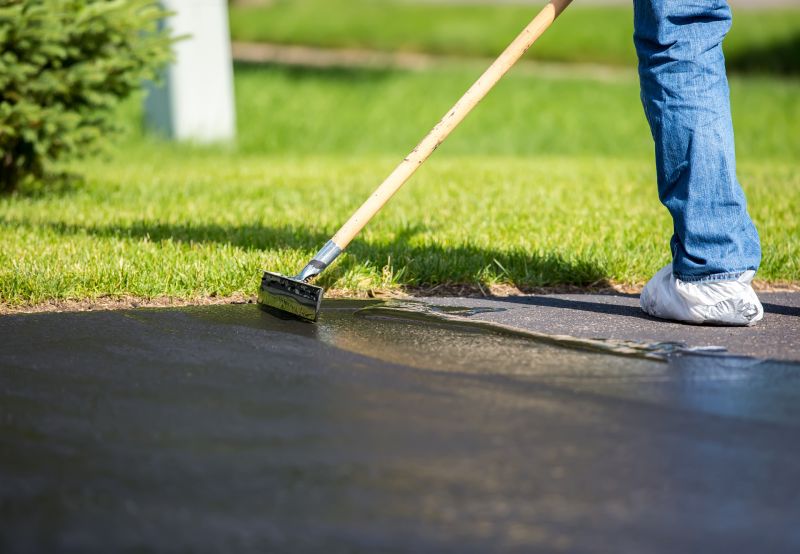
A professional applying sealant to a parking lot.
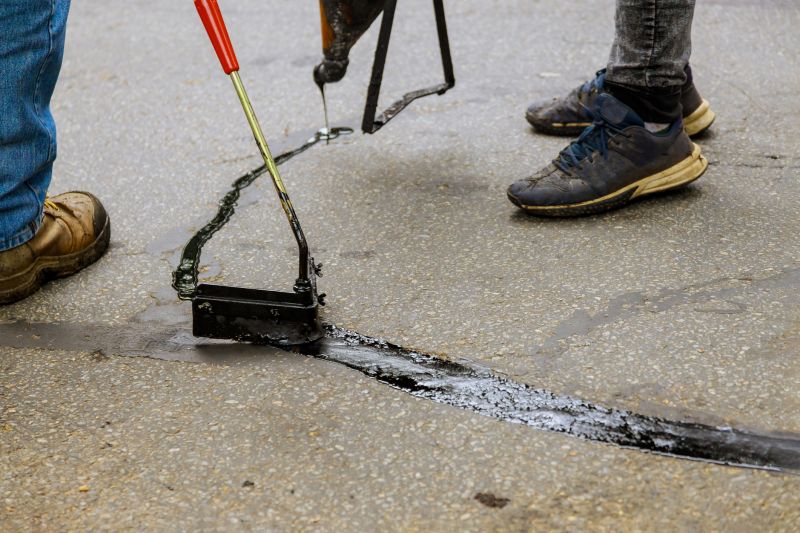
Sprayer used for asphalt sealings application.
Close-up of a sealed asphalt surface.
Inspection of a sealed asphalt driveway.
High-end options that actually feel worth it for Asphalt Sealings.
Finishes and colors that play nicely with Asphalt Sealings.
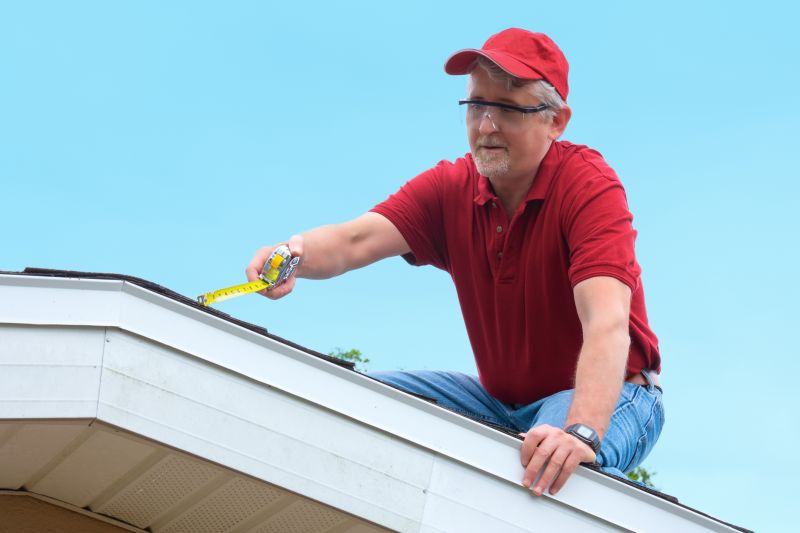
Little measurements that prevent headaches on Asphalt Sealings day.
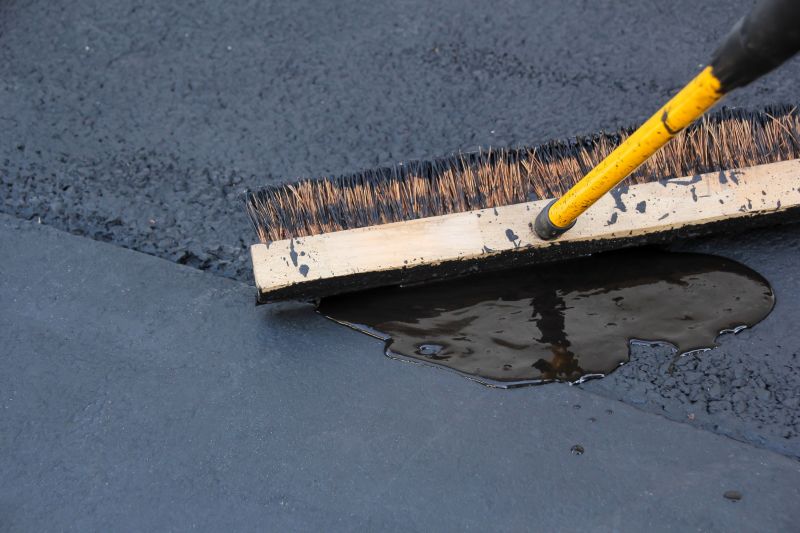
A 60-second routine that keeps Asphalt Sealings looking new.
For property owners seeking to maximize the lifespan of their asphalt surfaces, scheduling sealings during the optimal seasons and conditions is essential. Proper timing ensures the sealant bonds effectively and provides long-lasting protection. Regular inspections and timely reapplications contribute to maintaining a high-quality, durable pavement surface.
Interested parties are encouraged to contact for more information or to schedule an asphalt sealing service. Filling out the contact form provides an opportunity to discuss specific needs and receive tailored recommendations for pavement maintenance.